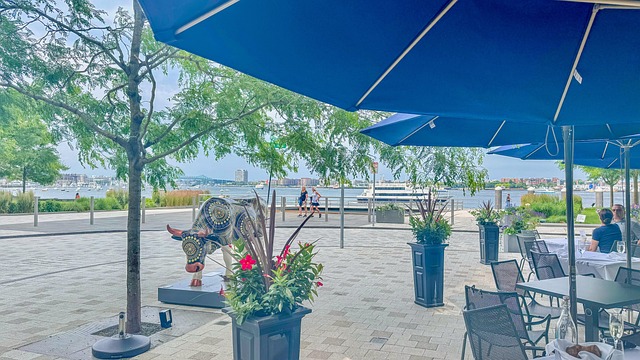
Boston offers a multifaceted experience for visitors seeking to delve into its rich history, diverse culture, and natural beauty. From iconic landmarks like the Freedom Trail to hidden gems in back streets, guided walking tours unveil the city's revolutionary past. Green spaces such as Boston Common and Blue Hills Reservation provide tranquil retreats from urban life. The city's vibrant neighborhoods, including the North End and Chinatown, reflect its cultural diversity through architecture, cuisine, and heritage. Art lovers find treasures in world-class museums and contemporary galleries, while the waterfront hosts historical sites, cultural events, and recreational activities. Immerse yourself in Boston's blend of history and modern attractions to discover what makes this city a unique destination "naturally."
Boston, a city rich in history and culture, offers visitors an array of iconic landmarks and hidden gems to explore. However, navigating the vast array of attractions can be overwhelming. This article presents a groundbreaking solution: the Boston Visual Map—a dynamic guide designed to help both locals and tourists uncover the city’s essence. By providing a visually engaging representation of the city’s key locations and natural points of interest, this map offers a unique way to discover what to see in Boston naturally, enhancing the exploration experience and fostering a deeper connection with the city’s vibrant spirit.
- Boston's Historic Walking Tours: Unveiling Its Past
- Natural Haven: Best Boston Parks for Relaxation
- Cultural Diversity: Exploring Boston's Neighborhoods
- Culinary Delights: What to Eat in Boston Naturally
- Art & Architecture: Iconic Buildings and Museums
- Waterfront Wonders: Boston Harbor Attractions
Boston's Historic Walking Tours: Unveiling Its Past
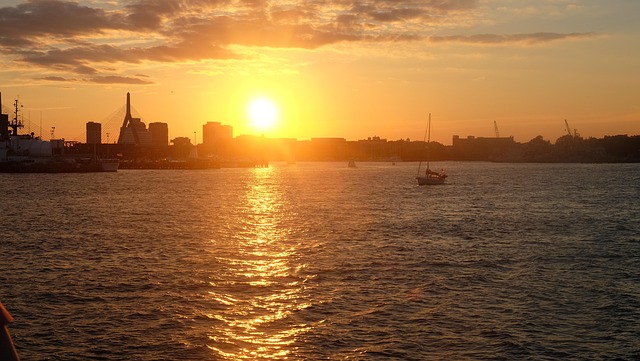
Boston’s historic walking tours unveil a city steeped in rich past, offering visitors and locals alike a captivating journey through time. The city boasts an array of boston historic landmarks that tell stories of its revolutionary past, architectural marvels, and cultural evolution. One of the most iconic stops is the Freedom Trail, a 2.5-mile path winding through 16 significant sites, including the Paul Revere House and Old North Church, where patriots’ bravery ignited the American Revolution. For those seeking a deeper dive into the city’s diverse history, numerous guided walking tours are available, led by knowledgeable historians who bring these landmarks to life with captivating narratives.
Beyond the well-known milestones, Boston’s back streets reveal lesser-known but equally fascinating chapters. The North End, known for its Italian heritage and delectable cannoli, harbors hidden gems like the Old South Meeting House, where revolutionary fervor boiled over in 1773. The city’s vibrant arts scene is also reflected in its historic landmarks, such as the Boston Public Library, a grand structure showcasing Victorian architecture and housing invaluable collections of literature and art. Exploring these boston historic landmarks not only provides an educational experience but allows visitors to appreciate the city’s multifaceted character and its enduring legacy.
Practical advice for optimal exploration includes joining a guided tour, available through various local companies, which offer expert insights into the city’s history and ensure you don’t miss any hidden gems. Dressing appropriately for the weather is essential, as Boston’s climate can be unpredictable. And while many landmarks are wheelchair accessible, it’s advisable to check ahead for specific needs. By immersing yourself in Boston’s historical walking tours, you’ll gain a profound appreciation for its past and discover what makes this city naturally unique.
Natural Haven: Best Boston Parks for Relaxation
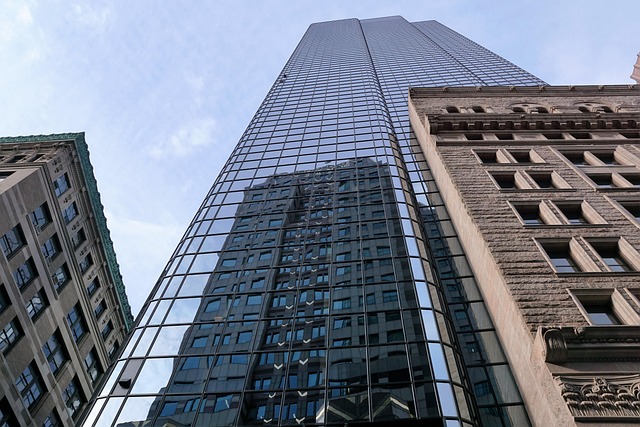
Boston, renowned for its rich history and vibrant cityscape, offers an unexpected haven of tranquility within its urban confines—its numerous parks. These green oases serve as sanctuaries for both locals and visitors seeking a respite from the bustling streets. Among the city’s diverse offerings, certain parks stand out for their serene beauty, providing the perfect backdrop for relaxation and contemplation. This exploration delves into the natural gems that what to see in Boston beyond its historic landmarks, offering insights into the best parks for those seeking tranquility.
One such standout is the Boston Common, America’s oldest public park. Despite its central location, it maintains an air of serenity, with picturesque walking paths meandering through mature trees and serene ponds. Visitors can enjoy a leisurely stroll, engage in a peaceful picnic, or simply sit and absorb the tranquil atmosphere. Adjacent to the Common lies the Public Garden, where seasonal blooms create a vibrant canvas, inviting visitors to pause and appreciate the natural world. These adjacent parks, often overshadowed by Boston’s iconic historic landmarks, offer a serene escape that showcases the city’s commitment to preserving green spaces.
For those desiring a more expansive natural retreat, the Blue Hills Reservation deserves top consideration. This 700-acre haven, located in the city’s west end, provides a lush landscape of rolling hills, dense forests, and tranquil lakes. Hiking trails wind through this scenic landscape, offering opportunities for solitude and reflection. The reservation’s diverse ecosystems support an array of flora and fauna, making it a nature lover’s paradise just minutes from downtown. By prioritizing these natural oases, Boston presents its residents and visitors with the rare opportunity to disconnect from urban life and reconnect with the calming essence of what to see in Boston naturally.
Cultural Diversity: Exploring Boston's Neighborhoods

Boston’s cultural diversity is a vibrant tapestry woven into every neighborhood, offering visitors and residents alike an array of experiences to explore. This urban mosaic is best appreciated by delving into its historic landmarks and the unique character of each community. The city boasts a rich heritage, with neighborhoods like the North End, known for its Italian American culture and iconic boston historic landmarks such as the Old North Church, a symbol of the American Revolution. Chinatown stands as another testament to the city’s diverse population, where vibrant markets and authentic cuisine create a bustling, lively atmosphere.
As one ventures further, South Boston (or “Southie”) reveals a strong Irish American heritage, while Dorchester showcases a mix of cultural backgrounds, each contributing to the city’s tapestry. The West End, with its Victorian architecture, is a neighborhood that reflects the city’s past and present diversity, with a lively arts scene and a blend of long-standing residents and new arrivals. Exploring these areas naturally reveals not just what to see in Boston but also the stories and traditions that make the city unique.
Boston historic landmarks and cultural hotspots are interconnected through the city’s public transportation system, making it easy for visitors to navigate these diverse neighborhoods. The T, as locals call it, allows for a deep dive into the city’s fabric, where each stop tells a story of immigration, innovation, and history. Understanding Boston’s cultural diversity is not merely an academic exercise; it offers a practical insight into how to engage with the city authentically, ensuring visitors leave with a genuine appreciation for its rich heritage.
Culinary Delights: What to Eat in Boston Naturally

Boston offers a culinary journey like no other, where historic landmarks and modern gastronomy coexist harmoniously. Exploring what to eat in Boston naturally reveals a diverse food scene that reflects the city’s rich cultural tapestry. From classic seafood dishes passed down through generations to innovative fusion cuisines, every bite tells a story. The city’s iconic historic landmarks, such as the Freedom Trail and Faneuil Hall, are not just attractions; they’re often flanked by vibrant restaurants and cafes, inviting you to pause for a meal while soaking in the city’s history.
One of the most natural ways to experience Boston’s culinary delights is through its vibrant neighborhood markets. The Quincy Market, part of the historic Faneuil Hall Marketplace, is a food lover’s paradise, bustling with vendors selling everything from fresh seafood to artisanal cheeses. Here, you can sample local specialties like clam chowder and lobster rolls while enjoying the lively atmosphere that captures the essence of Boston naturally. Similarly, the Boston Public Market in South End showcases local farmers, bakeries, and artisans, providing a fresh and authentic culinary experience.
For those seeking a deeper dive into Boston’s food history, exploring the city’s iconic historic landmarks becomes an edible adventure. The North End, known for its Italian heritage, offers authentic trattorias serving homemade pasta dishes that have been perfected over generations. Walking through the charming streets, you’ll encounter bakeries renowned for their cannoli and other sweet treats, all contributing to a sensory experience that encapsulates what to see in Boston naturally—its rich history and vibrant culinary culture intertwined.
Art & Architecture: Iconic Buildings and Museums
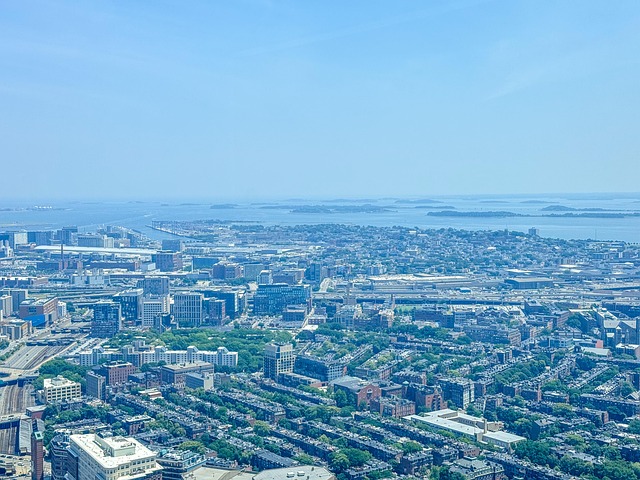
Boston is renowned for its rich history, vibrant cultural scene, and stunning architecture—a testament to the city’s evolution over centuries. When exploring what to see in Boston, art and architecture are essential components of any itinerary. The city boasts a diverse array of historic landmarks and world-class museums that showcase both traditional and avant-garde designs. From the iconic Freedom Trail, which winds through 16 significant sites, to cutting-edge contemporary spaces like the Institute of Contemporary Art (ICA), Boston offers an extraordinary blend of visual experiences.
Among the must-visit boston historic landmarks is the Old State House, where America’s Revolution began, and the stunning Trinity Church, designed by Charles Bulfinch, known as the “Father of Boston Architecture.” The Faneuil Hall Marketplace is another significant landmark, embodying the city’s dynamic blend of history and commerce. Museums like the Museum of Fine Arts (MFA) and the Isabella Stewart Gardner Museum display global artistic treasures, showcasing everything from ancient Egyptian artifacts to contemporary masterpieces. These cultural institutions not only preserve history but also serve as vibrant hubs for artistic expression and intellectual discourse.
Moreover, Boston offers a unique opportunity to witness the interplay between art and architecture in everyday life. The city’s skyline is defined by an eclectic mix of historic buildings, such as the Custom House Tower, and modern marvels like the John Hancock Tower. Exploring the Back Bay neighborhood reveals a harmonious blend of Victorian-era charm and contemporary design. What to see in Boston extends beyond landmarks; it includes immersing oneself in the city’s dynamic artistic community, where galleries, public art installations, and innovative architectural concepts come together to create an unforgettable urban experience.
Waterfront Wonders: Boston Harbor Attractions

Boston’s waterfront is a treasure trove of historical landmarks and cultural attractions, offering visitors and residents alike a wealth of natural wonders and man-made marvels. What to see in Boston along its bustling harbor is a question that draws countless curious minds each year, and for good reason. From iconic statues to world-class museums, the city’s waterfront boasts diverse experiences that cater to every interest.
One cannot talk about what to see in Boston naturally without mentioning the iconic Freedom Trail, which snakes its way through the historic district, passing by 16 significant sites, including the Old State House and Paul Revere’s house. This trail is not only a fascinating journey through time but also provides stunning views of the harbor. Along this route, visitors can gain insights into Boston’s rich history, particularly its role in the American Revolution. The path culminates at Bunker Hill Monument, offering panoramic vistas of the city and harbor that are truly breathtaking.
For art enthusiasts, the Institute of Contemporary Art (ICA) stands out as a must-visit. Located on the waterfront, this contemporary art museum showcases cutting-edge exhibitions and installations, often featuring both established and emerging artists. The ICA’s location is strategic; it offers visitors a glimpse into Boston’s vibrant artistic scene while providing easy access to other cultural attractions in the area. Nearby, the Museum of Science adds another dimension to what to see in Boston, with its interactive exhibits and stunning architecture that reflects its commitment to education and innovation.
Beyond these iconic landmarks, Boston’s harbor is home to numerous parks and green spaces that provide serene escapes from the urban hustle. The Boston Public Garden, for instance, offers a picturesque setting for a leisurely stroll or a relaxing boat ride on Swan Boat Lake. In addition to these natural attractions, the harborfront hosts various events throughout the year, from festivals and concerts to outdoor movies and maritime tours. This dynamic waterfront scene ensures that visitors always have something unique to discover, making Boston a destination that continues to captivate and inspire.