
Boston's Heritage Corridor Trail is a 14-mile journey showcasing the city's rich history from colonial times to today. Key highlights include iconic landmarks like the Old North Church, Victorian architecture in Back Bay, and serene natural spaces such as Boston Common and the Charles River Esplanade. What to see in Boston naturally unfolds along this route, offering insights into its revolutionary past, cultural diversity, and modern urban life. Planning tips emphasize integrating history and nature, focusing on seasonal events for a balanced experience.
Boston’s Heritage Corridor Trail offers a unique opportunity to explore the city’s rich history and vibrant culture. As one of the most comprehensive urban walking tours, it connects iconic landmarks, historic sites, and hidden gems that tell the story of Boston’s transformation over centuries. However, navigating this extensive trail can be overwhelming for both locals and visitors alike. This article provides an authoritative guide to the Heritage Corridor Trail, detailing its key attractions, practical tips for planning your route, and insider knowledge on what to see in Boston naturally along the way.
- Discovering Boston's Historic Heritage Corridor
- The Trail: A Journey Through Time in Boston
- Iconic Landmarks Along the Heritage Route
- Exploring Boston's Natural and Cultural Treasures
- Planning Your Immersion in Local History and Nature
Discovering Boston's Historic Heritage Corridor

Boston’s Heritage Corridor Trail offers a captivating journey through time, showcasing the city’s rich history and architectural marvels. This scenic route, stretching from South Boston to Cambridge, is a testament to the region’s past and presents an opportunity for visitors and locals alike to immerse themselves in Boston’s historic landscape. Along this path, what to see in Boston naturally takes on a new dimension as travelers uncover hidden gems and iconic landmarks that have shaped the city’s identity.
The Heritage Corridor Trail meanders through diverse neighborhoods, each with its unique character. Starting from South Boston’s vibrant waterfront, where historic shipyards once thrived, walkers are greeted by a mix of industrial heritage and modern developments. As you progress north, the trail unveils a kaleidoscope of architectural styles, from colonial-era homes in Dorchester to grand federal structures in Back Bay. The route highlights some of Boston’s most celebrated historic landmarks, such as the Old North Church, a symbol of the American Revolution, and the iconic Harvard University campus, a global center for learning.
Experts recommend allowing ample time to explore this trail, as it invites discovery at every turn. Along the way, visitors can stop at local museums, like the Museum of Fine Arts or the Isabella Stewart Gardner Museum, to delve deeper into Boston’s artistic heritage. The trail also offers access to charming parks and green spaces, providing a serene escape from the bustling city. For those seeking a more immersive experience, joining a guided tour led by history enthusiasts can bring these historic sites to life, offering insights that go beyond what is visible at first glance. By embracing the Heritage Corridor Trail, one can truly appreciate the intricate tapestry of Boston’s rich heritage and its enduring influence on American history.
The Trail: A Journey Through Time in Boston

The Heritage Corridor Trail offers a unique and immersive journey through Boston’s rich history, weaving a narrative that unfolds along its scenic route. This 14-mile path is more than just a walk; it’s an experience that invites visitors to step back in time, exploring the city’s diverse past from colonial times to the present day. As you traverse the trail, what to see in Boston naturally comes alive, with each turn revealing a new chapter in the city’s story.
The journey begins near South Boston’s historic Fort Point Channel, where early settlers once stood guard against enemy ships. Along the way, hikers pass by notable Boston historic landmarks like the Old North Church, iconic for its role in signaling the start of the Revolutionary War. The trail also meanders through the vibrant neighborhoods of Beacon Hill and Back Bay, showcasing the architectural grandeur of Victorian-era homes and the cultural diversity that defines contemporary Boston.
For history enthusiasts, the Heritage Corridor Trail is a treasure trove of knowledge, offering insights into the city’s industrial past, its role in the American Revolution, and the immigrant communities that have shaped its identity. Along these paths, visitors can reflect on the resilience of Boston as they pass by sites that bear witness to both triumph and tragedy, from the Freedom Trail’s iconic landmarks to quieter, yet no less significant, historical sites. Understanding what to see in Boston naturally along this trail enriches the visitor experience, making it more than just a physical journey—it becomes an exploration of the city’s spirit and character.
Iconic Landmarks Along the Heritage Route

The Heritage Corridor Trail, a vibrant testament to Boston’s rich history, meanders through the city, offering an immersive journey past iconic landmarks that have shaped its narrative. This 10-mile route is a treasure map for those eager to delve into Boston’s past, showcasing the city’s diverse architectural styles and cultural significance. Along this path, visitors are treated to a captivating lineup of historic sites, each telling a unique chapter in Boston’s story.
One cannot traverse this trail without encountering the imposing structure of the Bunker Hill Monument, standing tall as a reminder of the city’s pivotal role in the American Revolution. Nearby, the Old North Church, with its familiar bell tower, echoes through time, signaling the start of revolutionary activities. These landmarks, nestled within the heart of Boston’s historic district, provide a tangible link to events that forever changed the nation’s course. As you wander further, the trail unveils a tapestry of architectural wonders, including the elegant Victorian homes in Back Bay and the grand public buildings designed during the city’s 19th-century boom.
For the intrepid explorer seeking authentic Boston experiences, the Heritage Corridor offers a wealth of opportunities. Visiting the Faneuil Hall Marketplace allows one to immerse themselves in the bustling hub of revolutionary debate and modern urban life intertwined. The Freedom Trail, which aligns seamlessly with this route, provides a structured way to discover 16 historic sites, including the Paul Revere House, where visitors can step back in time and envision the city’s role as a hotbed of colonial resistance. Exploring these landmarks not only offers a deeper understanding of Boston’s history but also serves as a reminder of its enduring legacy.
Exploring Boston's Natural and Cultural Treasures

Boston’s Heritage Corridor Trail is a remarkable journey through the city’s rich history and stunning natural landscapes, offering visitors and locals alike an opportunity to discover the diverse cultural treasures that have shaped this iconic American metropolis. This scenic route winds its way along a 15-mile path, connecting historic landmarks with serene green spaces, providing a comprehensive glimpse into Boston’s past, present, and future. One of the trail’s standout features is its ability to seamlessly blend urban experiences with natural retreats, allowing explorers to witness the city’s evolution while enjoying its abundant outdoor attractions.
As you traverse the Heritage Corridor, you’ll encounter a variety of what to see in Boston naturally, from picturesque parks and historic gardens to tranquil waterways and scenic waterfronts. Along the way, visitors can delve into the city’s colonial past at landmarks like the Old North Church, where Paul Revere made his famous ride during the American Revolution. The trail also passes through Boston Common, America’s oldest public park, offering a chance to relax and reflect amidst the city’s vibrant skyline. For art lovers, the Boston Public Garden provides a serene setting with its iconic Swan Boats, while the nearby Museum of Fine Arts showcases an extensive collection spanning centuries of artistic excellence.
Beyond the urban experiences, the Heritage Corridor Trail unveils Boston’s hidden natural gems. The Charles River Esplanade offers a scenic walk or bike ride along the riverbank, where visitors can enjoy panoramic views of the city skyline and the historic USS Constitution. For those seeking tranquility, the Arnold Arboretum provides an oasis of peace with its diverse plant collections and tranquil pathways. This arboretum is not just a haven for nature lovers but also a testament to Boston’s commitment to preserving its green spaces. As you explore further, you’ll discover that what to see in Boston naturally extends beyond these highlights, with numerous smaller parks and greenways offering their unique charm and inviting exploration.
Planning Your Immersion in Local History and Nature
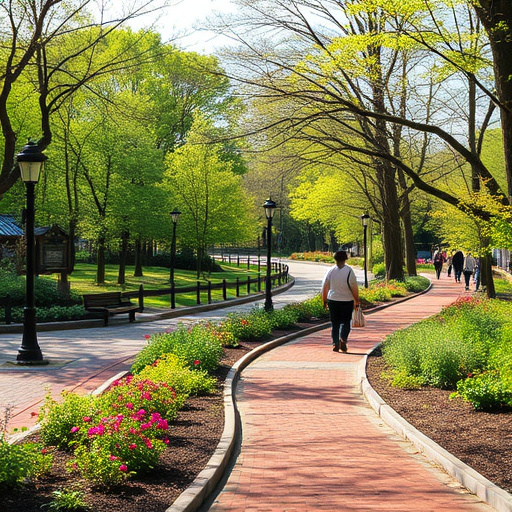
Planning an immersive journey along the Heritage Corridor Trail offers a unique blend of historical discovery and natural beauty, allowing visitors to delve into Boston’s rich past while exploring its vibrant present. To maximize your experience, consider these strategic steps for navigating what to see in Boston naturally along this scenic route.
First, familiarize yourself with the trail’s diverse offerings. The Heritage Corridor Trail weaves through a tapestry of communities, each imbued with distinct historical character. Start by identifying key milestones along the way, such as historic landmarks and cultural institutions. For instance, the Freedom Trail, one of Boston’s most famous pedestrian routes, passes by 16 locations significant to the nation’s revolutionary history, including the Paul Revere House and Old North Church. Incorporating these landmarks into your itinerary provides a solid foundation for understanding Boston’s pivotal role in American history.
Next, integrate natural attractions to create a balanced experience. The trail traverses diverse landscapes, from urban parks to tranquil greenways and scenic riverfronts. Take advantage of these opportunities to disconnect from the hustle and bustle and immerse yourself in Boston’s natural beauty. The Charles River Esplanade, for example, offers panoramic views of the city skyline while providing ample space for picnicking or leisurely strolls alongside the water. Incorporating such experiences not only refreshes the mind but also deepens your connection to the city’s unique character, harmoniously blending its rich history with its vibrant natural surroundings.
Prioritize seasonal activities and events to enhance your journey. Boston’s heritage trail comes alive throughout the year with festivals, tours, and guided hikes that highlight different aspects of its history and ecology. Consult local resources or visit official tourism websites for up-to-date information on what to see in Boston naturally during your intended season. Whether it’s a springtime walk through blooming gardens or a fall foliage excursion along the river, aligning your visit with these seasonal events ensures you’ll witness the city’s multifaceted allure at its most captivating.