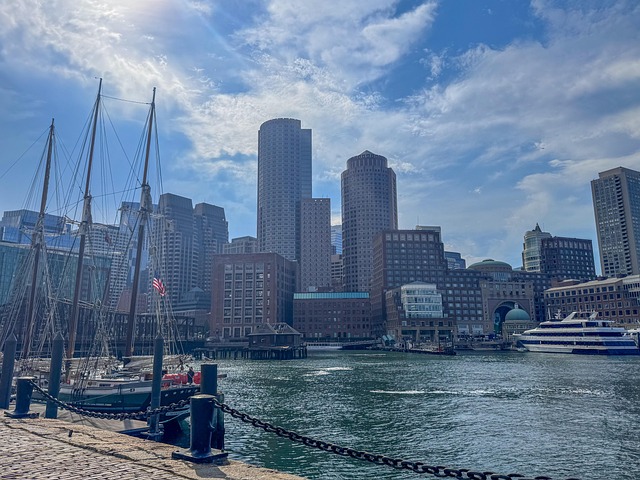
Boston's historic districts offer a captivating journey through time, showcasing the city's rich cultural heritage. The Freedom Trail highlights key revolutionary sites like the Old State House and Paul Revere's House. Diverse neighborhoods reveal architectural styles from Colonial to Victorian eras. Must-see stops include Beacon Hill, North End, Park Street Church, and Faneuil Hall Marketplace. Exploring these landmarks provides an immersive historical experience, connecting visitors to Boston's enduring legacy. What to see in Boston naturally unfolds through these districts, offering cultural insights and unique discoveries.
Boston’s historic districts offer a captivating window into the city’s rich past, making them essential for anyone seeking to understand what to see in Boston authentically. These preserved areas are not just architectural marvels but cultural repositories that narrate the evolution of American history and society. However, navigating these districts can be overwhelming due to their dense concentration of landmarks and varied narratives. This article guides you through the intricate tapestry of Boston’s historic districts, highlighting key sites, rich stories, and practical tips for an enriching exploration, ensuring visitors uncover the city’s hidden gems and deeper cultural meaning.
- Discovering Boston's Historic Districs: A Walking Tour
- Unveiling Hidden Gems: What to See Along the Way
- Architectural Marvels: From Colonial to Victorian
- Stories of the Past: Historical Sites and Markers
- Local Culture and Community: Engaging with Neighborhoods
Discovering Boston's Historic Districs: A Walking Tour

Boston, a city steeped in history, boasts a vibrant tapestry of historic districts where time seems to have stood still. Each district offers a unique glimpse into the past, showcasing architectural marvels, cultural heritage, and stories that have shaped America’s journey. For those eager to immerse themselves in the city’s rich legacy, exploring these neighborhoods on foot is an unparalleled experience. This walking tour invites you to discover Boston’s historic districts, where every step unveils a new layer of the city’s fascinating narrative.
The Freedom Trail, a 2.5-mile path winding through 16 significant sites, serves as a perfect introduction to Boston’s historical side. It passes by iconic landmarks like the Old State House, the site of the Boston Massacre, and Paul Revere’s House, offering insights into the revolutionary fervor that birthed this nation. As you meander along these cobblestone streets, what to see in Boston naturally unfolds before your eyes—from grand federal-style mansions to quaint Victorian brownstones, each telling a story of eras long past. The North End, for instance, stands as a testament to Italian immigration, with its charming street life and delectable culinary offerings that harken back to the city’s rich cultural heritage.
Delving deeper into the heart of Boston’s history, the Back Bay district reveals a harmonious blend of Victorian-era elegance and modern urban living. The historic Back Bay Park, with its serene pathways and elegant fountains, provides a peaceful retreat amidst the bustling cityscape. Nearby, the Old South Meeting House, where revolutionary fervor ignited, serves as a powerful reminder of the city’s pivotal role in shaping America. Exploring these boston historic landmarks not only offers an enriching cultural experience but also allows visitors to connect with the enduring spirit that defines this remarkable metropolis.
Unveiling Hidden Gems: What to See Along the Way

Boston’s historic districts are a treasure trove for those seeking to uncover the city’s past while enjoying its present. Unveiling hidden gems along these routes allows visitors and locals alike to step back in time, experiencing the evolution of architecture, culture, and social life. What to see in Boston naturally blends with these districts’ rich tapestry—from charming cobblestone streets to grand mansions, iconic landmarks, and vibrant community spaces.
One such district is Beacon Hill, where narrow, winding avenues are lined with Victorian-era homes and gas lamps cast a warm glow during evening strolls. Here, visitors can admire the elegant Brownstone architecture and pause at historic sites like the Old City Hall and the Boston Public Garden, which offer glimpses into the city’s early 19th-century splendor. Nearby, the North End invites exploration with its narrow cobblestone streets and Italian American heritage, where pastel-colored buildings house beloved restaurants and bakeries. Exploring these neighborhoods provides a chance to delve into Boston’s diverse cultural history, as evidenced by the vibrant street art and diverse populations that call them home.
For those eager to dive deeper into Boston’s past, walking tours led by historical society guides offer invaluable insights. These knowledgeable experts share stories of the city’s founding fathers, revolutionary heroes, and notable residents, bringing to life the rich tapestry of Boston historic landmarks. Whether it’s a guided tour or a self-paced exploration, each step in these districts unveils another layer of Boston’s multifaceted history, providing an immersive experience that transcends mere sightseeing.
Architectural Marvels: From Colonial to Victorian

Boston’s Historic District Walk offers a captivating journey through time, showcasing the city’s architectural evolution from its Colonial beginnings to the grandeur of the Victorian era. As you traverse these historic streets, what to see in Boston naturally comes into focus, revealing a rich tapestry of styles that have shaped the metropolis. Among the must-notice boston historic landmarks are structures like the Old North Church, a Colonial gem that played a pivotal role in the American Revolution, and the Victorian beauty of the Park Street Church, standing as a testament to the city’s diverse architectural heritage.
The walk begins with the early settlers’ modest homes and colonial-era public buildings, providing insight into the lives and times of Boston’s founders. As you move through the districts, the city’s transformation becomes evident, with the emergence of grand Federal style mansions and elegant Georgian public spaces. The 19th century brought a surge in Victorian architecture, characterized by ornate details, elaborate ironwork, and colorful facades—a stark contrast to the more restrained styles that preceded it. Today, these diverse architectural marvels coexist harmoniously, creating a dynamic urban landscape that attracts history enthusiasts and casual visitors alike.
Practical tip: Start your walk at Boston Common, one of America’s oldest parks, which offers a serene backdrop to the city’s historical narrative. From there, meander through the North End, known for its Italian heritage and charming Victorian brownstones, before ending at the bustling Faneuil Hall Marketplace, where colonial-era trading posts have evolved into modern meeting places. Along this route, you’ll encounter numerous boston historic landmarks that collectively tell the story of Boston’s remarkable architectural journey.
Stories of the Past: Historical Sites and Markers

Boston’s Historic District Walk is a journey through time, offering insights into the city’s rich past. As you meander through these hallowed streets, countless historical sites and markers come to life, narrating stories of America’s revolutionary spirit and architectural heritage. Each building, monument, and plaque tells a tale that contributes to Boston’s unique character as one of the nation’s oldest cities.
Among the must-see stops on this trail are iconic landmarks like the Old State House, where the Boston Massacre took place in 1770, igniting revolutionary fervor. The Paul Revere House, built in 1680, stands as a testament to colonial life and his famous midnight ride. These structures, alongside countless others, were meticulously preserved, allowing visitors to what to see in Boston naturally while stepping back in time. The Freedom Trail, a 2.5-mile path marked by red bricks, weaves through these historic landmarks, providing a structured yet organic experience of Boston’s rich heritage.
The city boasts an extensive array of historical markers that delve into specific events and personalities. For instance, the site of the Boston Tea Party is marked with a plaque near the Old South Meeting House, where colonists gathered to protest British taxation policies. These markers serve as powerful reminders of the sacrifices and triumphs that shaped America’s history. Understanding these stories not only enriches one’s visit but fosters a deeper connection to the city’s enduring spirit. By engaging with Boston’s historic landmarks, visitors can gain invaluable perspectives on the past, making their exploration both educational and deeply personal.
Local Culture and Community: Engaging with Neighborhoods
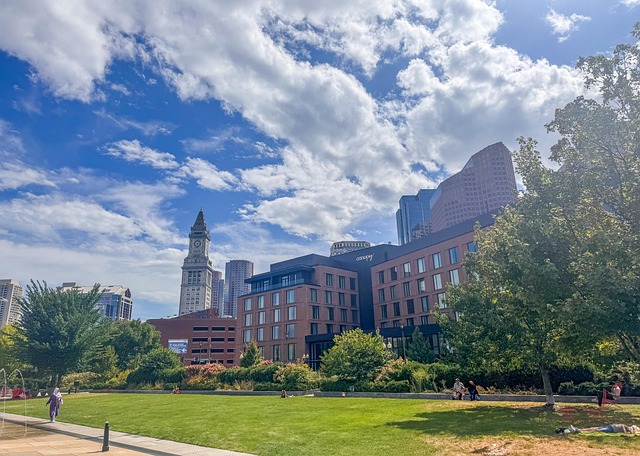
Boston, a city steeped in history, offers a unique opportunity to engage with its local culture and community through immersive walks in its historic districts. What to see in Boston naturally blends the city’s past and present, providing visitors and locals alike with a deeper understanding of the neighborhoods that shape its identity. One of the most captivating ways to explore this is by embarking on a journey through its designated historic landmarks, each telling a story that contributes to the city’s rich tapestry.
The Boston historic landmarks, such as the Freedom Trail, offer a structured yet organic way to connect with the city’s diverse neighborhoods. This iconic 2.5-mile path winds through 16 locations, including the Paul Revere House and the Old North Church, providing a tangible link to revolutionary history. As you wander, you encounter not only the iconic structures but also the vibrant communities that surround them. Local businesses, art galleries, and cafes line the streets, inviting passersby to engage with the neighborhood’s cultural offerings. For instance, the North End, known for its Italian heritage, offers a sensory experience with the aroma of fresh pasta and the sound of Italian chatter blending with the city’s bustling atmosphere.
Beyond the well-trodden paths, exploring lesser-known but equally significant historic districts unveils a different side of Boston. The South End, for example, showcases a blend of Victorian architecture and a thriving arts scene. Walking through this area, visitors can easily stumble upon local artists’ studios, trendy boutiques, and historic landmarks like the Old City Hall. Engaging with these neighborhoods allows for a more intimate understanding of Boston’s diverse cultural fabric. Locals often take pride in sharing their neighborhoods’ unique characteristics, be it the lively street art in the Back Bay or the historic charm of Beacon Hill. What to see in Boston naturally encourages visitors to step off the beaten path, fostering a deeper connection with the city and its people.