
Boston events thrive on its iconic cobblestone streets, featuring diverse celebrations from historic parades to cultural festivals. By transforming these spaces with accessibility, lighting, and local partnerships, organizers create memorable experiences. The city's evolution demonstrates how cobblestone can foster community engagement, economic vitality, and cultural richness through strategic event planning. Key takeaways include stakeholder engagement, accessibility, digital promotion, and leveraging history for vibrant communities.
In the dynamic landscape of Boston events, where cultural, historical, and modern experiences intertwine, managing calendars can pose a significant challenge. The sheer volume of activities—from renowned festivals to intimate community gatherings—makes it crucial for residents and visitors alike to have a reliable tool to navigate this vibrant scene. This article delves into Cobblestone Calendar, a cutting-edge solution designed to democratize access to Boston’s diverse offerings. By offering a centralized, user-friendly platform, Cobblestone not only alleviates the planning burden but also enriches engagement with the city’s rich tapestry of boston events.
- Discovering Cobblestone Calendar: A Boston Events Guide
- How to Use Cobblestone for Planning Local Gatherings
- The Evolution of Cobblestone in Community Organization
Discovering Cobblestone Calendar: A Boston Events Guide

Boston events are renowned for their vibrancy and diversity, offering a rich tapestry of experiences throughout the year. Among these, cobblestone calendar events stand out for their unique blend of history, culture, and community engagement. These festivals and gatherings, held in Boston’s picturesque streets and historic squares, not only celebrate the city’s past but also foster a sense of belonging within its diverse population. The cobblestone calendar includes a range of events that cater to various interests, from music and art to food and family activities.
One notable example is the St. Patrick’s Day parade, one of the nation’s largest Irish heritage events, which draws tens of thousands of participants and spectators each year. This vibrant celebration not only showcases Boston’s rich cultural diversity but also offers a glimpse into its strong Irish roots. Similarly, Boston’s summer music festivals, such as the Boston Calling Music Festival, bring together renowned artists from around the world, providing locals and visitors alike with unforgettable concert experiences under the city’s iconic skyline. These events are more than just entertainment; they serve as vital facets of Boston community events, fostering connections among residents and visitors.
The cobblestone calendar also features numerous art exhibitions and fairs that highlight Boston’s thriving artistic scene. Events like the Boston Art Walk invite patrons to explore galleries and studios across the city, while festivals like the Boston Film Festival showcase both local and international cinematic talents. These cultural events not only enrich the lives of Bostonians but also attract tourists from around the globe, contributing significantly to the city’s economic vitality. In addition to these grand celebrations, smaller, more intimate boston community events—from neighborhood block parties to local farmers’ markets—play a crucial role in fostering a sense of togetherness and belonging within Boston’s diverse communities.
How to Use Cobblestone for Planning Local Gatherings
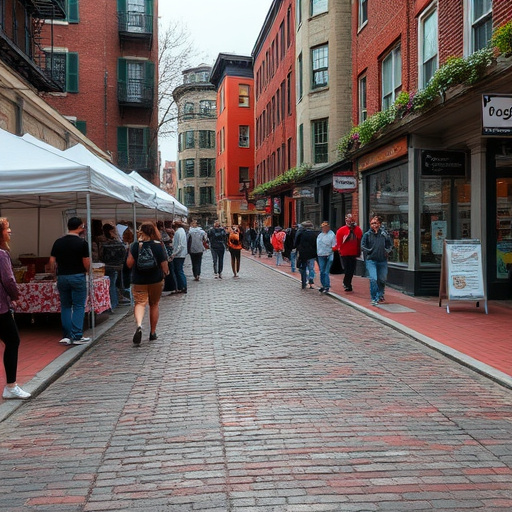
Cobblestone streets have long been associated with a charming, historic atmosphere, but these timeless materials can also serve as an innovative tool for planning and hosting boston events. In the vibrant city of Boston, where community events are a cornerstone of local culture, cobblestone offers a unique and visually appealing backdrop for gatherings that seamlessly blend tradition and modern flair. Whether organizing a pop-up market, a neighborhood festival, or an intimate concert series, leveraging Boston’s iconic cobblestone streets can elevate your event to a memorable experience.
One of the most effective ways to use cobblestone for local community events is by creating designated event spaces within existing pedestrian walkways. Boston’s historic districts, with their meticulously preserved cobblestone paths, provide an ideal setting for pop-up markets and art exhibitions. For instance, organizing a monthly farmers’ market in the North End’s picturesque cobblestone alleys can attract both locals and tourists, fostering a sense of community while showcasing local produce and artisanal goods. Similarly, hosting intimate film screenings or live performances on cobblestone plazas can create an atmospheric and accessible event space that encourages foot traffic and engagement from nearby residents.
When planning boston community events centered around cobblestone, consider the following strategies: prioritize accessibility by ensuring clear pathways and ample seating areas; incorporate portable lighting to enhance the ambiance after dusk; and collaborate with local businesses or property owners to gain access to cobblestone areas. By embracing the natural beauty of Boston’s cobblestone streets, event organizers can create memorable experiences that celebrate the city’s rich history while fostering a stronger sense of community among residents and visitors alike.
The Evolution of Cobblestone in Community Organization

The evolution of cobblestone in community organization is a fascinating journey reflecting how urban spaces have adapted to meet the changing needs of Boston residents. Historically, cobblestone streets and public squares served as the backbone of neighborhood interactions, fostering a sense of community through market days and public gatherings. As cities like Boston grew and modernized, these spaces evolved from simple transportation routes to vibrant hubs for cultural events and community building. The advent of the automobile, while transforming urban landscapes, also sparked a renewed focus on reclaiming public spaces for communal activities, leading to innovative initiatives that blend historical charm with contemporary needs.
Boston, known for its rich history and diverse communities, has been at the forefront of this evolution. Initiatives like the Boston Events Calendar have played a crucial role in revitalizing cobblestone areas by curating a diverse range of boston community events tailored to various interests. From cultural festivals showcasing local art and cuisine to educational workshops focused on heritage preservation, these gatherings have not only drawn residents but also attracted visitors, fostering a dynamic exchange that enriches the city’s tapestry. Data from recent years indicate that such events contribute significantly to economic vitality in neighborhood businesses, further underscoring their importance as catalysts for community engagement and urban renewal.
The transformation of cobblestone spaces extends beyond mere aesthetics; it involves strategic planning and collaboration among local leaders, business owners, and residents. Successful examples, like the monthly farmers’ markets in Boston Common, demonstrate how leveraging these historic areas can create opportunities for sustainable growth and foster a deeper sense of belonging. For organizers, actionable advice includes engaging stakeholders early in the process, ensuring accessibility for all participants, and promoting events through digital platforms as well as local networks to maximize reach. By embracing the evolution of cobblestone in community organization, Boston continues to set an example for other urban centers on how to harness history to build vibrant, resilient communities.