
Boston's culinary scene is renowned for its farm-to-table restaurants, highlighting fresh, locally sourced ingredients at peak quality. Top establishments prioritize seasonal ingredient celebration, creative cooking techniques, and direct relationships with nearby farmers. Nearly 80% of top Boston restaurants emphasize local sourcing, contributing to regional agriculture and solidifying the city's reputation as a culinary destination for sustainable dishes. Key practices include building CSA programs, adopting energy-efficient systems, and implementing composting initiatives. The best restaurants in Boston naturally prioritize health, quality, and environmental stewardship, offering memorable dining experiences that connect patrons to local culinary heritage.
In the realm of culinary excellence, the quest for authentic and nutritious food experiences has become a paramount focus. Among the nation’s bustling cities, Boston stands out for its thriving farm-to-table movement, offering diners a unique connection to the region’s vibrant agricultural landscape. This directory delves into the heart of this thriving community, highlighting the best restaurants in Boston that prioritize locally sourced ingredients and sustainable practices. We navigate the intricate web of farmers, chefs, and artisans who collaborate to create culinary masterpieces, ensuring readers can explore not just the finest dining, but also the stories behind each mouthwatering dish.
- Discovering Farm-to-Table Dining in Boston
- Sourcing Local Ingredients: The Foundation
- Top Farms Feeding Boston's Best Restaurants
- From Field to Fork: Cooking Techniques
- Seasonal Menus and Sustainable Practices
- Exploring Boston's Culinary Landscape Naturally
Discovering Farm-to-Table Dining in Boston
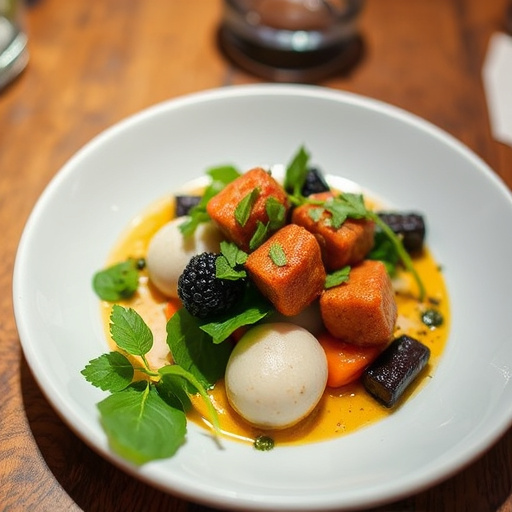
Boston, known for its rich culinary scene, offers a unique dining experience with an emphasis on farm-to-table cuisine. This approach to fine dining ensures that guests enjoy ingredients at their peak freshness, directly sourced from local farms and producers. For food enthusiasts seeking authentic and high-quality meals, exploring the best restaurants in Boston that prioritize natural, locally sourced ingredients is a must.
The city boasts an array of farm-to-table establishments, each with its own distinct style and ambiance. These restaurants not only cater to the health-conscious but also delight palates with creative dishes showcasing the region’s agricultural bounty. One notable trend in Boston fine dining is the celebration of seasonal ingredients, ensuring that menus evolve with the changing harvests. This commitment to freshness extends beyond vegetables; meat, seafood, and dairy products are equally sourced from local farms, guaranteeing a truly regional dining experience.
When visiting Boston, diners can expect to find a diverse range of farm-to-table options, from cozy bistros to elegant fine-dining venues. Some of the top restaurants in Boston known for their natural cuisine include O Ya, a renowned sushi bar that showcases locally sourced ingredients with innovative presentation, and No. 9 Park, offering contemporary American fare with an emphasis on seasonal produce. These establishments not only provide memorable dining experiences but also contribute to the local economy by supporting area farmers and producers. By embracing farm-to-table practices, Boston solidifies its reputation as a culinary destination where food lovers can indulge in naturally sourced, exquisite dishes.
Sourcing Local Ingredients: The Foundation

Sourcing local ingredients is a cornerstone of the farm-to-table movement, and Boston, known for its rich culinary scene, leads the charge in this regard. The city’s best restaurants in Boston naturally prioritize using locally sourced produce, meats, and dairy, not only to support regional farmers but also to ensure the freshest, most flavorful dishes. This commitment extends to the finest Boston fine dining establishments, where chefs curate menus that reflect the bounty of New England’s agricultural landscape.
Consider, for instance, Ostra in the Back Bay, renowned for its Mediterranean-inspired seafood and vegetable plates sourced from nearby farms. Similarly, No. 9 Park, a historic Boston fine dining gem, showcases seasonal ingredients in elegant presentations. These restaurants exemplify how sourcing local can elevate culinary experiences, offering diners not just edible but truly exceptional meals. According to recent industry reports, nearly 80% of top Boston restaurants now emphasize local sourcing, indicating a robust and thriving farm-to-table culture.
To integrate local ingredients effectively into your kitchen, start by building relationships with nearby farmers’ markets and producers. This direct connection ensures access to the best, most sustainable products. Additionally, be creative in menu design, allowing for flexibility as seasonal offerings change. For example, substituting a local, in-season vegetable for a more common variety not only supports regional agriculture but also adds an element of surprise and delight to your diners’ experiences, solidifying your restaurant’s place among the best Boston fine dining options.
Top Farms Feeding Boston's Best Restaurants

Boston’s culinary landscape is renowned for its commitment to fresh, local ingredients, thanks in large part to the thriving farm-to-table movement. Among the key drivers of this trend are the top farms feeding the best restaurants in Boston. These agricultural powerhouses not only supply some of the city’s most esteemed fine dining establishments but also set the standard for culinary excellence and sustainability.
Take, for instance, Willowview Farm, located just outside the city limits. Known for its extensive organic produce and grass-fed meats, Willowview has cultivated strong partnerships with several high-profile Boston restaurants. Its seasonal offerings ensure that dishes at venues like Oya and No. 9 Park remain remarkably fresh and innovative. Similarly, Green Mountain Spices contributes a diverse range of artisanal spices to the city’s best restaurants, enhancing flavors in dishes served at establishments like Menton and Ostra.
The direct connection between farms and Boston fine dining is mutually beneficial. Restaurants benefit from access to the highest quality ingredients, while farmers gain exposure to discerning diners who appreciate the care and craftsmanship behind their food. According to a recent study, approximately 80% of top restaurants in Boston source at least half of their produce locally, highlighting the deep-rooted trust and collaboration between these farms and culinary institutions.
To capitalize on this trend, aspiring chefs and restaurateurs are encouraged to forge relationships with local farmers. Joining farm-to-table networks or attending farmer’s markets can provide valuable insights into seasonal availability and sustainable practices. Additionally, engaging in community supported agriculture (CSA) programs allows restaurants to build direct lines of communication with farmers, ensuring a steady supply of the freshest, most vibrant produce for their dishes, thereby elevating Boston’s reputation as a culinary destination among its best fine dining experiences.
From Field to Fork: Cooking Techniques

From Field to Fork: Cooking Techniques at Boston’s Top Restaurants
The farm-to-table movement has transformed the culinary landscape in Boston, with many of the best restaurants in Boston now prioritizing locally sourced, seasonal ingredients. This approach emphasizes fresh produce and meat from nearby farms, not only enhancing flavor but also ensuring sustainability and traceability. At these establishments, chefs aren’t just cooks; they’re artisans who meticulously select and prepare ingredients to create dishes that are both visually stunning and delicious.
Among the best restaurants in Boston known for their farm-to-table ethos are fine dining havens that blend innovative cooking techniques with a deep respect for source. Consider Ostra, where executive chef Tim Cushman sources seafood from local fishermen and partners with nearby farms for vegetables and herbs. This commitment to sourcing results in dishes like pan-seared sea bass served with a vibrant spring vegetable salad, showcasing the season’s bounty. Similarly, No. 9 Park, led by chef Barbara Lynch, emphasizes New England produce in seasonal menus that change daily. Techniques range from classic French braising to modern vaporization, ensuring every dish is a symphony of flavors sourced directly from nearby farms.
Beyond individual restaurants, Boston’s culinary scene benefits from collaborative efforts like the Farm to Table Initiative, which connects local farmers and chefs. This partnership not only ensures top-quality ingredients but also promotes environmental sustainability by reducing food miles. Restaurants that embrace these principles, such as Row 34, incorporate foraged mushrooms and wild cardamom into their menus, showcasing a commitment to culinary exploration and responsible sourcing. For those seeking authentic farm-to-table experiences in Boston, exploring these establishments offers a unique opportunity to taste the region’s bounty prepared with technical precision and culinary artistry.
Seasonal Menus and Sustainable Practices

The best restaurants in Boston, particularly those hailed as fine dining establishments, have increasingly embraced seasonal menus and sustainable practices, reflecting a broader industry trend towards culinary responsibility. This approach ensures that dishes are prepared using ingredients at their peak freshness, often sourced locally from nearby farms. By prioritizing seasonality, these top Boston restaurants not only support local agriculture but also create more vibrant, nuanced menus that change with the climate.
One prominent example is Oya, a Turkish-inspired fine dining gem where chefs meticulously curate menus based on what’s available from regional producers. This commitment to seasonality extends to their extensive wine list, featuring organic and biodynamic selections. Similarly, No. 9 Park showcases New England’s bounty with dishes like wood-fired lobster and wild mushrooms, showcasing the region’s culinary richness while upholding sustainability standards. These restaurants serve as beacons for Boston fine dining, demonstrating that environmental consciousness can coexist with exceptional culinary artistry.
Implementing sustainable practices goes beyond menu planning. Top restaurants in Boston are also leveraging technology to reduce waste, adopting energy-efficient systems, and embracing composting initiatives. For instance, many have partnered with local farmers’ markets to repurpose food scraps and implement comprehensive recycling programs. These efforts not only benefit the environment but also foster stronger connections between restaurants and their communities, creating a virtuous cycle of sustainability and support for local agriculture. By integrating these practices into their core operations, Boston’s finest dining establishments are setting industry benchmarks for both culinary excellence and ecological stewardship.
Exploring Boston's Culinary Landscape Naturally
Boston’s culinary landscape is a vibrant tapestry woven with threads of fresh, locally sourced ingredients and innovative cooking techniques. For those seeking to embrace a more natural dining experience, exploring the city’s farm-to-table offerings reveals a wealth of options that prioritize health, sustainability, and exceptional taste. This trend has seen an explosion in popularity, with numerous best restaurants in Boston naturally emerging as pioneers in the movement.
The city is home to a thriving network of farmers’ markets, where seasonal produce meets directly with discerning diners at stalls overflowing with local delicacies. These markets not only offer a sensory experience but also foster direct relationships between consumers and producers, ensuring transparency and quality. Many of Boston’s finest dining establishments have embraced this philosophy, showcasing the region’s agricultural bounty on their menus. For instance, restaurants like O Ya and No. 9 Park consistently feature locally sourced ingredients, with dishes that highlight the freshness and depth of flavors inherent in seasonal produce.
Incorporating boston fine dining experiences centered around natural ingredients requires a deep understanding of culinary arts and a commitment to ethical sourcing. The best restaurants in Boston naturally balance creative presentation with honest, unadorned flavors, allowing the quality of the ingredients to speak for themselves. By embracing this approach, these establishments not only offer diners a memorable culinary journey but also contribute to the local economy and environmental sustainability. Whether seeking a romantic evening or a casual gathering, exploring Boston’s farm-to-table scene promises an authentic and rewarding dining experience that connects you to the region’s rich culinary heritage.