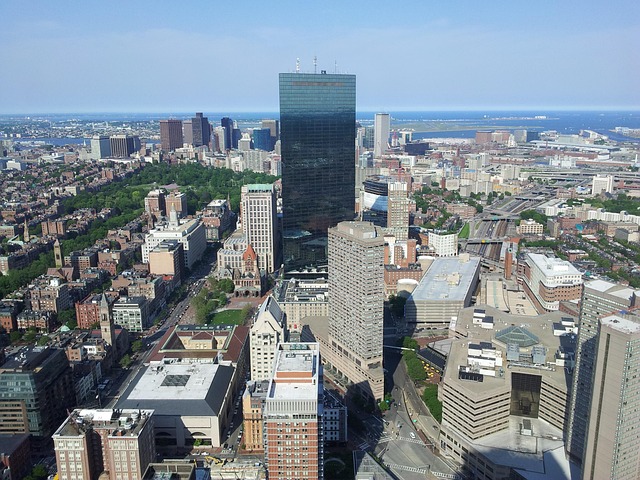
Community Gathering Hubs in Boston are vital urban spaces fostering connections, engagement, and local voices through diverse events. During crises like COVID-19, these hubs facilitate essential services and community support. To maximize their impact, planners should strategically invest, engage stakeholders, prioritize accessibility, collaborate with businesses, and leverage digital promotion. Boston's vibrant events scene, from parks to cultural centers, highlights the power of inclusive programming, collaborations, and data-driven success measurement for thriving Community Gathering Hubs.
In today’s dynamic urban landscape, community gathering hubs play a pivotal role in fostering social connections and cultural exchange. Boston events have long been renowned for their vibrant energy and diverse offerings, yet creating spaces that seamlessly blend entertainment, education, and local flavor remains a challenge. This article delves into the significance of community gathering hubs, exploring the gaps they fill within urban ecosystems. We’ll analyze current trends, dissect the problems plaguing existing models, and propose innovative strategies to develop inclusive, engaging, and sustainable hubs that naturally become the heartbeats of Boston’s cultural vibrancy.
- Understanding Community Gathering Hubs: The Concept
- Benefits of Boston Events in Local Communities
- Types of Spaces: From Parks to Cultural Centers
- Designing Engaging Programs for All Ages
- Building Partnerships: Collaborating with Local Businesses
- Measuring Success and Ensuring Long-Term Impact
Understanding Community Gathering Hubs: The Concept

Community Gathering Hubs represent a crucial element of urban planning and social fabric, especially vibrant cities like Boston known for their dynamic cultural landscape and diverse population. These spaces are designed to foster connections, promote community engagement, and amplify local voices—all vital aspects of a thriving city. In Boston, events naturally evolve around such hubs, creating a rich tapestry of social interactions and collective experiences.
The concept revolves around creating physical locations that encourage residents to gather, interact, and participate in various activities. These hubs can take the form of community centers, public parks, or even repurposed industrial spaces, each tailored to meet the unique needs and preferences of its surrounding neighborhood. They serve as multi-purpose venues where people can attend local meetings, organize workshops, host cultural performances, or simply enjoy a sense of belonging through shared leisure activities. Boston community events, from art exhibitions to food festivals, often find their epicenter in these hubs, fostering a strong sense of civic engagement.
For instance, consider the success stories of neighborhood centers in Boston’s diverse districts. These spaces have become pivotal during times of crisis, such as the COVID-19 pandemic, where they facilitated remote learning, vaccination drives, and community support networks. By understanding the power of these hubs, urban planners and community leaders can strategically invest in their development, ensuring they remain vibrant centers of social activity well into the future. Actionable steps include conducting comprehensive needs assessments, engaging local stakeholders, and prioritizing accessibility to cater to all segments of the community, ultimately enriching Boston’s events landscape and strengthening its sense of unity.
Benefits of Boston Events in Local Communities
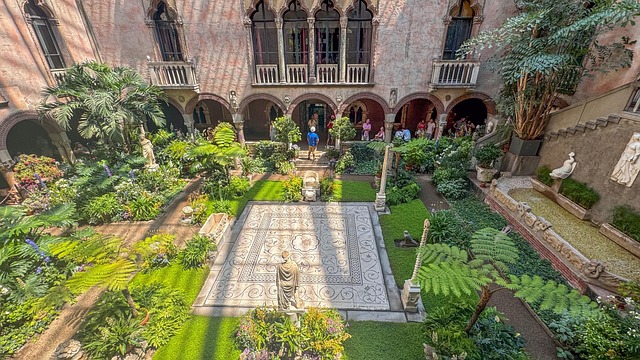
Boston events have long been recognized as powerful catalysts for fostering a sense of community among residents. These gatherings, whether they are cultural festivals, sports tournaments, or educational workshops, serve as vital hubs where people connect, share experiences, and build lasting relationships. The positive impact of boston community events extends far beyond mere social interaction; they play a crucial role in strengthening the fabric of local communities.
One of the most significant benefits of Boston events is their ability to bring diverse populations together. These gatherings provide a common ground where individuals from different backgrounds, ages, and interests can converge, fostering inclusivity and understanding. For example, the annual Boston Marathon not only attracts top runners from around the world but also draws spectators, volunteers, and local businesses, creating a vibrant tapestry of engagement that transcends traditional community boundaries. Similarly, cultural festivals like the Boston International Film Festival offer a platform for diverse voices, enriching the city’s cultural landscape and fostering dialogue between communities.
Moreover, boston community events serve as breeding grounds for economic growth and innovation. They attract visitors from both within and outside the city, boosting local businesses through increased foot traffic and tourism. Local vendors, restaurants, and entertainment venues benefit from the influx of people, leading to a thriving economy that supports nearby residents. Furthermore, these events can catalyze entrepreneurship by providing opportunities for startups and small businesses to showcase their products and services to a broad audience. The Cambridge Science Festival, for instance, has become a launching pad for numerous successful tech ventures, highlighting the profound economic implications of such gatherings.
To maximize the benefits of Boston events in local communities, organizers should prioritize inclusivity, accessibility, and collaboration with neighborhood groups. Engaging residents in the planning process ensures that events align with community needs and interests, fostering genuine participation. Utilizing digital platforms for promotion and offering diverse programming cater to a wide range of preferences, encouraging broader attendance. Additionally, partnering with local businesses and nonprofit organizations can amplify the economic and social impact, creating sustainable, mutually beneficial relationships that endure well beyond the event itself.
Types of Spaces: From Parks to Cultural Centers

Boston’s vibrant tapestry is woven with diverse community gatherings, each demanding unique spaces to thrive. From sprawling parks where residents can enjoy outdoor concerts and festivals, to cultural centers that host art exhibitions and language classes, these venues play a pivotal role in fostering social cohesion and enriching civic life. The city’s rich history has endowed it with an array of public spaces designed for communal engagement—a legacy that continues to shape its modern identity.
Parks, such as Boston Common and the Public Garden, stand as timeless examples of community gathering hubs. These verdant oases not only provide a serene escape from urban life but also serve as vibrant centers for local events. During the summer months, these parks host everything from free outdoor movies and concerts to community picnics and yoga sessions, fostering an environment where residents can connect, relax, and celebrate together. Similarly, cultural centers like the Boston Public Library’s various branches and community art studios offer spaces for artistic expression, educational workshops, and social gatherings, catering to a wide range of interests and backgrounds.
Moreover, Boston’s rich calendar of community events underscores the city’s commitment to fostering inclusive spaces. From the iconic Boston Marathon, which attracts runners from around the globe, to local neighborhood fairs and food festivals, these gatherings bring people together, celebrating diversity and strengthening the sense of belonging. According to a recent study by the City of Boston, over 80% of residents participate in some form of community event annually, underscoring the critical role these spaces play in shaping a thriving urban ecosystem. As Boston continues to evolve, the strategic utilization and development of diverse gathering spaces will remain paramount, ensuring that the city’s events—like boston community events and Boston events naturally occurring—are accessible and meaningful for all its residents.
Designing Engaging Programs for All Ages
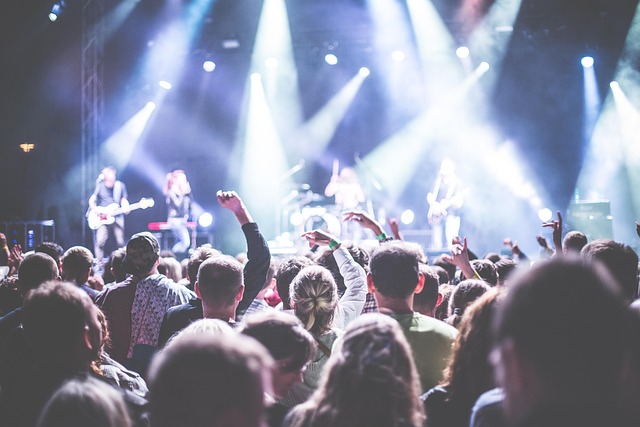
Creating engaging programs for all ages is a cornerstone of any successful Community Gathering Hub, particularly in vibrant cities like Boston where community events thrive. Boston residents and visitors alike seek enriching experiences that cater to diverse interests and life stages. To ensure your hub’s programs resonate widely, consider blending traditional and innovative activities, leveraging local expertise, and promoting intergenerational interaction.
For instance, a well-designed schedule might include weekday workshops focused on career development or hobbyist interests, such as photography classes or coding for beginners, alongside weekend events like community gardens or outdoor concerts. Collaborating with local organizations can also amplify your reach; partnering with museums, theaters, and sports teams to offer exclusive access or discounted tickets for hub members enhances appeal.
Boston’s rich cultural fabric offers endless inspiration. Leveraging the city’s diverse artistic and culinary scenes, program planners can curate experiences that celebrate local talent. For example, hosting monthly art exhibitions featuring emerging artists from Boston’s vibrant art communities or organizing food festivals showcasing the region’s culinary diversity can attract a wide range of participants.
Data suggests that inclusive programming pays dividends: according to a 2022 survey by the Boston Foundation, 85% of city residents expressed interest in more community events focused on arts and culture, while 78% sought opportunities for intergenerational connections. By tailoring programs that cater to these needs, your Community Gathering Hub can become a vital hub not just for social interaction but also for cultural enrichment and personal growth, reinforcing Boston’s reputation as a naturally vibrant and welcoming community.
Building Partnerships: Collaborating with Local Businesses
Building partnerships with local businesses is a cornerstone of developing a thriving Community Gathering Hub, such as those seen in Boston events that naturally foster connection and growth. These collaborations are crucial for creating vibrant spaces where people can connect, learn, and celebrate together. By leveraging the unique strengths and resources of area businesses, organizers can enhance the overall experience, attract diverse audiences, and ensure the long-term sustainability of their initiatives.
For instance, consider a community gathering hub centered around arts and culture in Boston. Local galleries and art studios could offer workshops and exhibitions, while nearby cafes and restaurants provide spaces for post-event discussions and networking. This partnership not only enriches the guest experience but also exposes artists to new audiences and supports local businesses by driving foot traffic and creating a harmonious urban atmosphere. Data from recent boston community events suggests that collaborative partnerships can significantly increase event attendance and satisfaction levels, highlighting their vital role in fostering community engagement.
Building these partnerships requires a strategic approach. Organizers should start by identifying businesses with complementary offerings and shared values. Engaging in open dialogue allows for the exploration of mutual benefits, whether through cross-promotion, joint sponsorship, or shared venue usage. For example, a music festival could team up with local retailers to offer exclusive discounts to attendees, encouraging participation and creating a sense of community among both event-goers and business owners. By incorporating boston community events into their strategies, organizers can ensure that their partnerships are not just transactional but also foster genuine connections that benefit the entire ecosystem.
Ultimately, successful collaboration requires clear communication, mutual respect, and a commitment to shared goals. By recognizing the value each partner brings to the table, Community Gathering Hubs in Boston can thrive as vibrant centers of activity, enriching lives and strengthening community bonds through the power of collective action.
Measuring Success and Ensuring Long-Term Impact
Measuring Success and Ensuring Long-Term Impact
The success of any community gathering hub—be it a neighborhood center in Boston events naturally springing up or a dedicated space for cultural exchanges—cannot be solely judged by immediate foot traffic or the number of attendees. It requires a nuanced understanding of impact, one that delves into quantitative and qualitative metrics to gauge both short-term engagement and long-term community development. In Boston community events, for instance, a successful hub might witness a surge in participation during its initial months, but true excellence is revealed through sustained interest, diverse programming, and measurable outcomes that transcend immediate gratification.
Key performance indicators (KPIs) should encompass various dimensions: attendance rates over time, participant demographics, program reach, and community partnerships. Tracking these metrics allows for data-driven decisions and adjustments to ensure the hub remains relevant and responsive to the evolving needs of its residents. For instance, if a certain segment of the population is consistently underrepresented in attendances, targeted outreach initiatives could be implemented to address this imbalance. Moreover, qualitative assessments through feedback forms, focus groups, or one-on-one interviews can provide deeper insights into participant experiences, satisfaction levels, and suggestions for improvement.
Building long-term resilience necessitates strategic planning and community engagement. Regular consultations with local stakeholders, residents, and organizations not only ensure that the hub remains a vibrant space but also foster collective ownership and responsibility. By integrating feedback and collaborating with various entities, the gathering hub can evolve to meet the dynamic needs of Boston community events while ensuring its enduring impact as a central pillar of neighborhood cohesion and cultural exchange.