Boston: A Comprehensive Analysis of a Global Hub
Introduction
Boston, a vibrant city with a rich history, has emerged as a global powerhouse, influencing various sectors and shaping the future across industries. This article aims to delve into the multifaceted aspects of Boston, exploring its historical roots, current impact, and future prospects. We will navigate through its economic landscape, technological innovations, policy frameworks, and challenges, providing insights that highlight its significance in today's world. By examining these elements, readers will gain a comprehensive understanding of why Boston is considered a game-changer and an inspiring model for cities worldwide.
Understanding Boston: A Historical and Cultural Overview
Boston, located in the state of Massachusetts, USA, is a city steeped in history and cultural diversity. Founded in 1630 by Puritan settlers from England, it played a pivotal role in the American Revolution, earning the nickname "The Cradle of Liberty." The city's historical significance is evident in its well-preserved colonial architecture and iconic landmarks like the Freedom Trail, which attracts visitors from around the globe.
Boston is often described as a cultural melting pot, with a diverse population contributing to its dynamic atmosphere. According to the 2020 U.S. Census, Boston's metropolitan area boasts an ethnically and culturally rich population, making it one of the most racially and culturally diverse cities in the nation. This diversity fosters a vibrant arts scene, renowned academic institutions, and a thriving culinary culture, all of which contribute to its global appeal.
The city consists of several distinct neighborhoods, each with its unique character:
- Back Bay: Known for its elegant brownstones and fashionable boutiques, Back Bay is a cultural hub and popular tourist destination.
- South End: This neighborhood is renowned for its Italian restaurants and thriving art community, featuring numerous galleries and studios.
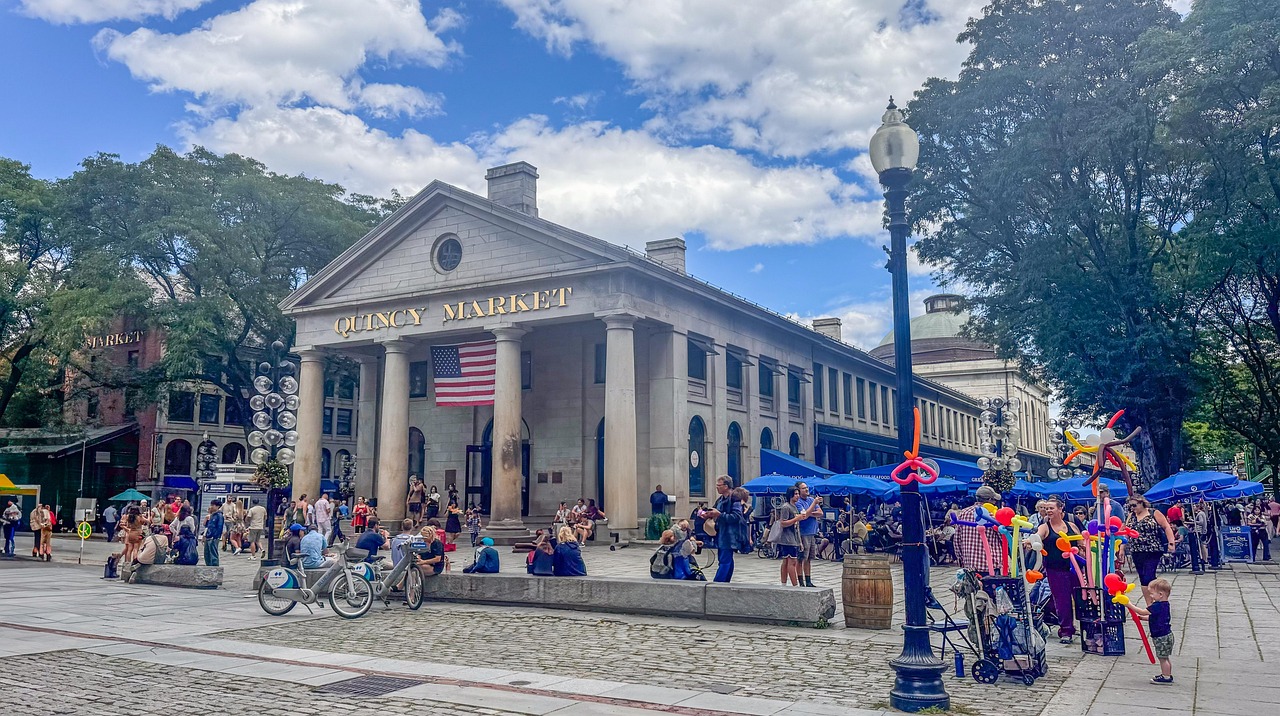
- North End: Home to the city's historic Faneuil Hall and vibrant Italian-American culture, it is famous for its seafood cuisine and lively street life.
- Downtown Crossing: A bustling commercial district with a mix of retail stores, office buildings, and dining options.
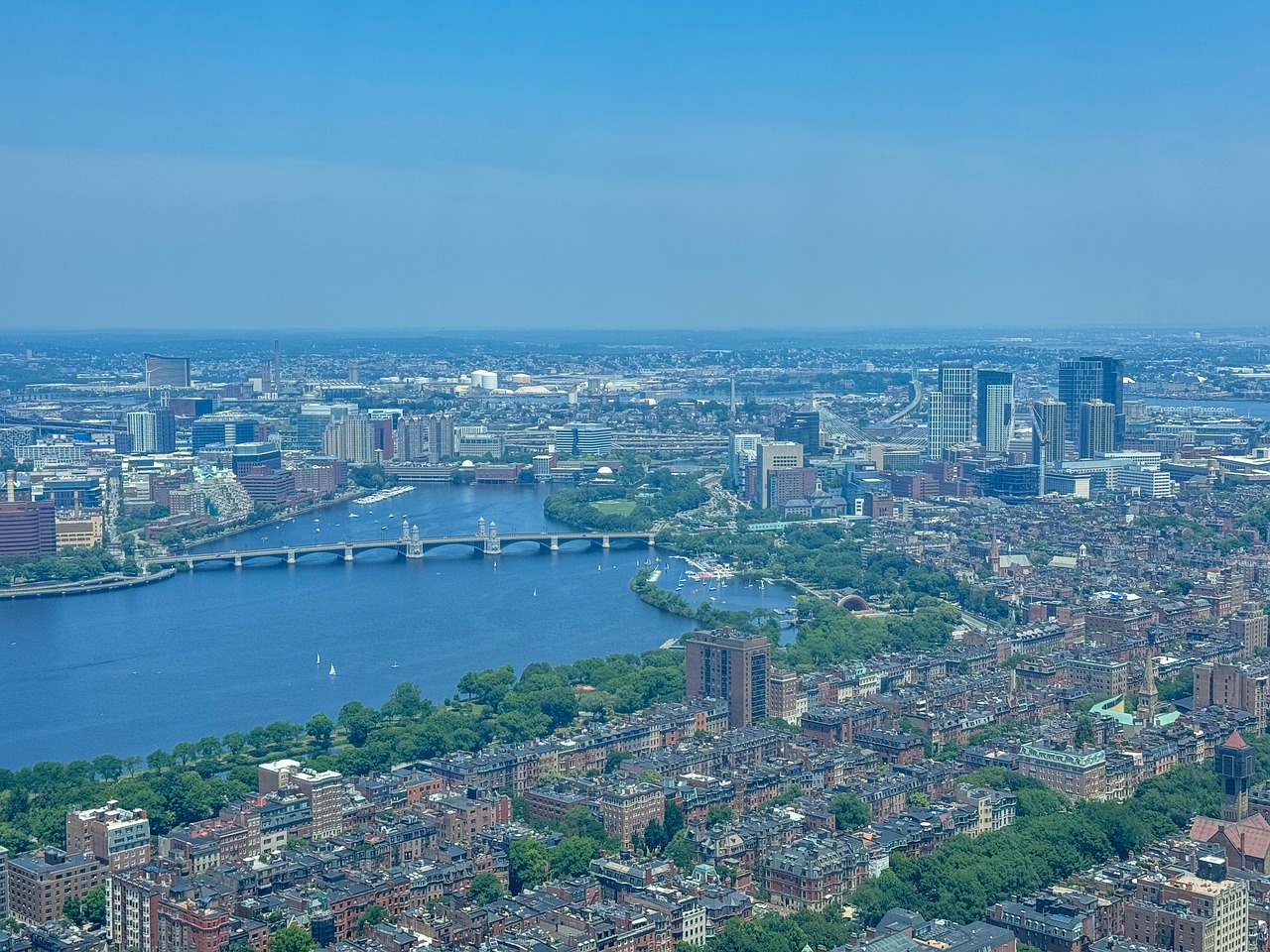
- Cambridge: Across the Charles River, Cambridge is home to Harvard University and MIT, contributing to its intellectual atmosphere and tech industry.
Global Impact and Trends: Boston's International Influence
Boston has established itself as a global leader in various domains, attracting international attention and fostering collaborations worldwide. Its impact can be observed across several key areas:
| Sector | Global Influence |
|---|---|
| Education | Boston is home to some of the world's top academic institutions, including Harvard University, Massachusetts Institute of Technology (MIT), and Boston University. These institutions attract students and scholars from every corner of the globe, contributing to a vibrant exchange of ideas and cultures. |
| Biotechnology and Healthcare | The city has emerged as a global hub for biotech and healthcare innovation, earning the moniker "Biotech Valley." It is home to numerous startups and established companies, such as Moderna and Vertex Pharmaceuticals, driving groundbreaking research and development in these fields. |
| Technology and Innovation | Boston's tech scene is thriving, with a focus on artificial intelligence (AI), cybersecurity, and fintech. The city's startup ecosystem attracts global investments, fostering rapid growth and attracting talent from around the world. |
| Sports and Entertainment | As the birthplace of many popular sports franchises, Boston is renowned for its passionate sports culture. Teams like the Boston Red Sox (baseball) and New England Patriots (football) have a worldwide fan base, contributing to the city's global reputation. |
Trends shaping Boston's future include:
- Sustainable Development: The city is embracing eco-friendly initiatives, focusing on green infrastructure, renewable energy, and sustainable transportation to reduce its carbon footprint.
- Smart City Technologies: Boston is implementing IoT (Internet of Things) solutions for efficient urban management, enhancing public safety, and improving quality of life for residents.
- Global Connectivity: With a well-established airport and seaport, Boston continues to strengthen its global connections, facilitating international trade and cultural exchanges.
Economic Considerations: Driving Boston's Success
Boston's economy is robust and diverse, contributing significantly to the regional and national GDP. Key economic drivers include:
- Biotechnology and Pharmaceuticals: As a leading biotech hub, Boston generates substantial revenue from research and development, attracting global pharmaceutical companies and fostering collaborations with academic institutions.
- Technology Sector: The city boasts a thriving startup ecosystem and established tech giants, contributing to high-value job creation and economic growth. Companies like Microsoft, Amazon, and IBM have a significant presence in the area.
- Tourism: Boston's rich history and cultural attractions draw millions of visitors annually, boosting the hospitality industry and related sectors. The city offers a range of experiences, from historical tours to world-class museums.
- Financial Services: As a financial center, Boston is home to numerous banking institutions and insurance companies, contributing to the city's economic stability.
Market Dynamics and Investment Patterns:
- Real Estate: Boston's real estate market is robust, with high property values and strong demand for residential and commercial spaces. Neighborhoods like Back Bay and Downtown Boston experience consistent growth.
- Startup Ecosystem: The city has a thriving startup culture, attracting investments from both local and international venture capital firms. Sectors like biotech, edtech, and fintech are particularly prominent.
- International Trade: Boston's strategic location has made it a major hub for international trade, with the Port of Boston facilitating cargo shipments worldwide.
Technological Advancements: Leading Innovation
Boston is at the forefront of technological innovation, driving progress in various fields:
- Biotechnology: The city's biotech sector is renowned globally for its groundbreaking research. For instance, Moderna, a Boston-based company, played a pivotal role in developing COVID-19 vaccines, showcasing the city's capability to translate scientific advancements into real-world solutions.
- Artificial Intelligence (AI): Boston has emerged as a leading AI research center, with academic institutions and startups contributing to developments in machine learning, natural language processing, and robotics. Companies like Wayfair and iRobot are headquartered in Boston, illustrating the city's AI capabilities.
- Cybersecurity: With numerous cybersecurity firms and experts, Boston is addressing the critical need for online security. Its startup ecosystem encourages innovation in this sector, providing solutions to protect businesses and individuals.
Future Tech Trends:
- Quantum Computing: Boston is positioning itself at the forefront of quantum computing research, with academic partnerships aiming to develop advanced computational capabilities.
- Autonomous Vehicles: The city is a testing ground for self-driving car technology, with companies like NuScale Robotics and Waymo conducting trials to revolutionize transportation.
- 5G and Beyond: Boston is actively participating in the rollout of 5G networks, ensuring it remains connected and prepared for future technologies.
Policy and Regulation: Shaping Boston's Development
Boston's growth and success are guided by a comprehensive policy framework that balances development with quality of life considerations:
- Zoning and Land Use: The city employs strategic zoning regulations to maintain diverse neighborhoods, protect historic sites, and promote sustainable development. The Boston Zoning Code ensures a balanced approach to urban planning.
- Transportation Planning: Boston's transportation policies focus on public transit, cycling, and pedestrian accessibility. Initiatives like the Green Line extension and the City's commitment to reducing traffic congestion reflect a push for efficient and eco-friendly mobility.
- Environmental Regulations: The city has stringent environmental standards to protect its natural resources. The Boston Harbor cleanup project is a notable example of successful environmental policy implementation.
- Housing Affordability: Addressing housing costs is a key policy focus, with efforts to increase affordable housing options and combat homelessness. Programs like the Boston Housing Authority provide support to low-income residents.
Challenges and Criticisms: Overcoming Obstacles
Despite its many successes, Boston faces several challenges that require strategic solutions:
- Housing Affordability Crisis: Rapidly rising housing costs have led to a shortage of affordable options, particularly for low- and middle-income residents. The city is working on policies to increase density and provide incentives for mixed-use developments.
- Traffic Congestion: Boston's popularity as a tourist destination and its dense population contribute to traffic congestion. Implementing smart transportation solutions, such as improved public transit and ride-sharing programs, is essential to address this issue.
- Income Inequality: The city struggles with income disparities, which can impact social cohesion. Targeted economic development initiatives and skills training programs can help reduce these gaps.
- Community Engagement: Engaging diverse communities in decision-making processes is crucial for creating inclusive policies. The city should foster greater participation to ensure that its policies reflect the needs of all residents.
Proposed Solutions:
- Develop mixed-use, affordable housing projects in underserved areas to combat the housing crisis and promote community integration.
- Enhance public transportation infrastructure and introduce new mobility options like bike lanes and electric shuttle services to reduce traffic congestion.
- Implement targeted tax incentives for businesses that create job opportunities in low-income neighborhoods to stimulate economic growth and reduce inequality.
- Establish community advisory boards to involve diverse groups in urban planning, ensuring policies reflect the needs of all Boston residents.
Case Studies: Success Stories and Lessons Learned
1. East Boston Waterfront Revitalization:
East Boston, once an industrial wasteland, has undergone a remarkable transformation. The city partnered with private developers to revitalize the waterfront, creating mixed-use communities with residential, commercial, and recreational spaces. This project attracted investments, generated jobs, and improved access to public transit, showcasing the power of public-private partnerships in urban renewal.
Lessons:
- Strategic planning and collaboration between government and the private sector can lead to successful urban transformations.
- Integrating residential, commercial, and recreational areas promotes vibrant communities and sustainable development.
2. Boston's Smart City Initiative:
Boston has embarked on a smart city journey, implementing IoT solutions to improve urban management. The city deployed sensors and connected devices for efficient energy distribution, real-time traffic monitoring, and enhanced public safety. This initiative allows for data-driven decision-making, resulting in cost savings and improved quality of life.
Success Factors:
- Utilizing technology to gather and analyze data enables cities to make informed decisions, enhancing efficiency and service delivery.
- Public-private partnerships can drive innovation, with tech companies providing expertise and resources to implement smart city projects.
3. Harvard's Global Engagement:
Harvard University has demonstrated global leadership through its international engagement strategies. The university actively collaborates with institutions worldwide, fostering cultural exchanges, joint research initiatives, and global problem-solving efforts. This approach positions Harvard as a hub for intellectual curiosity and innovation on an international scale.
Key Takeaways:
- Academic institutions can play pivotal roles in fostering global partnerships and promoting cultural understanding.
- Collaborative research and education initiatives have the potential to drive groundbreaking discoveries and address global challenges.
Future Prospects: Boston's Emerging Horizons
Boston is poised for continued growth and development, with several emerging trends and strategic considerations:
- Green and Sustainable Development: The city will continue its commitment to environmental sustainability, focusing on green infrastructure, renewable energy projects, and eco-friendly urban design.
- Advanced Manufacturing: Building on its strong foundation in biotech and tech, Boston is expected to expand its advanced manufacturing capabilities, attracting investments in fields like robotics and 3D printing.
- Digital Transformation: The city's digital strategy aims to enhance online services, improve government efficiency, and create a more connected urban environment.
- Healthcare Innovation: As healthcare continues to be a significant sector, Boston is poised to lead in personalized medicine, digital health solutions, and global healthcare partnerships.
- Cultural Diversity and Inclusion: Celebrating its diverse population, Boston will focus on cultural events, language programs, and inclusive policies to foster a welcoming environment for all residents.
Conclusion: A City of Global Significance
Boston has emerged as a dynamic city, making significant contributions to various global sectors. Its historical significance, cultural diversity, and economic strength provide a solid foundation for future growth. By embracing technology, fostering international collaborations, and implementing strategic policies, Boston continues to shape the world in remarkable ways.
The city's ability to navigate challenges and adapt to changing trends ensures its relevance on the global stage. As Boston moves forward, it will undoubtedly inspire other cities to embrace innovation, diversity, and sustainability, leaving a lasting impact on urban development worldwide.
FAQ Section: Addressing Common Concerns
Q: Is Boston an affordable place to live? A: While Boston has experienced rapid gentrification, there are still affordable housing options available, particularly in outlying neighborhoods. The city is working on initiatives to increase the supply of affordable housing to meet the needs of a diverse range of residents.
Q: How does Boston handle traffic congestion? A: The city has implemented various strategies, including expanding public transit, introducing bike lanes, and promoting ride-sharing services. These efforts aim to reduce traffic and provide efficient transportation options for residents and visitors.
Q: What makes Boston's education system unique? A: Boston is renowned for its world-class academic institutions, offering a wide range of programs at the undergraduate and graduate levels. The city's vibrant intellectual culture, coupled with its diverse student body, creates a dynamic learning environment.
Q: How does Boston promote cultural diversity? A: Boston celebrates its multicultural fabric through various events, festivals, and language outreach programs. The city's policies encourage cultural exchange, ensuring that all residents have access to and appreciate the benefits of cultural diversity.
Category: Boston